Blog / Criminal Defense

Blog

All Criminal Defense Estate Planning Family Law Probate Litigation Civil Litigation Divorce Bankruptcy Personal Injury Estate Administration Manassas Law Group Service Breach of Contract Virginia Laws Wrongful Death
Criminal defense attorney in Prince William County, VA

What to Do Immediately After Being Charged With a Crime in Virginia

Facing criminal charges is one of the most unsettling experiences a person can go through. The moments, hours, and days immediately following an arrest are critical—what you do (and what you don't do) can significantly shape the outcome of your case. At Manassas Law Group, we’ve guided countless clients through this overwhelming process, helping them make informed decisions that protect their rights and their futures. If you or someone you love has been charged with a crime in Virginia, understanding your next steps isn’t just helpful—it’s essential. more Stay Calm and Exercise Your Right to Remain Silent The first and most important rule after being charged: stop talking. Anything you say to law enforcement can and will be used against you. This isn’t a formality—it’s a legal reality. One of the most common mistakes people make is trying to explain their way out of a situation. In practice, those statements often become key evidence for the prosecution. Politely invoke your right to remain silent and request an attorney immediately. Do not answer questions, do not offer explanations, and do not attempt to negotiate at the scene. Understanding What Evidence Can Be Used Against You in Court Once charges are filed, the prosecution begins building its case. In Virginia, several types of evidence may be used against you in court. Physical evidence collected at the scene Surveillance footage and video recordings Text messages, emails, and digital communications Eyewitness testimony Statements made to law enforcement However, not all evidence is automatically admissible. Evidence obtained through illegal searches, coerced statements, or procedural violations may be challenged and excluded. A skilled criminal defense attorney will carefully review what evidence can be used against you in court and identify opportunities to weaken the prosecution’s case. Hire an Experienced Criminal Defense Attorney Right Away Time is critical in a criminal case. Evidence can disappear, memories fade, and deadlines move quickly. Retaining a criminal defense attorney in Virginia as soon as possible is one of the most important steps you can take. Your attorney does more than appear in court. They review police reports, evaluate what evidence can be used against you in court, interview witnesses, and negotiate with prosecutors when appropriate. Early legal involvement often means more defense options and stronger case strategy. Understanding Plea Bargains in Virginia Not every criminal case goes to trial. In many situations, understanding plea bargains is an important part of the legal process. A plea bargain is an agreement where a defendant pleads guilty, often to a reduced charge or with a lighter sentence. While this may seem like a simpler resolution, it also involves giving up the right to trial and the ability to fully challenge the evidence. Understanding plea bargains requires careful legal analysis. In some cases, it may be the best option. In others, it may be better to proceed to trial depending on the strength of the evidence. This decision should always be made with guidance from an experienced defense attorney. Document Everything and Protect Your Case While your attorney handles the legal strategy, there are steps you can take to help protect your case. Write down everything you remember about the incident as soon as possible Record names, times, and details while they are fresh Avoid discussing your case with anyone except your attorney Do not post about the situation on social media Preserve any physical evidence such as receipts or photos These details can play an important role in building your defense. Take Your Next Step With Confidence Being charged with a crime in Virginia does not mean you are guilty. It does mean you need immediate and experienced legal guidance. From understanding what evidence can be used against you in court to evaluating plea bargains, early decisions often shape the outcome of a case. Contact Manassas Law Group to help you navigate every stage of the process with clarity and confidence. Schedule a consultation today and take the first step toward protecting your rights, your reputation, and your future.

Virginia Age of Consent

Virginia Age of Consent

Virginia Age of Consent The laws surrounding the age of consent in Virginia can be complicated, especially when the individuals involved are so close in age. If you’re facing criminal charges for engaging in sexual conduct with a minor below the age of consent, the stakes are extremely high. The penalties for a conviction can include lengthy prison time, sex offender registration, and a number of other far-reaching consequences that can affect nearly every aspect of your life. With this in mind, it’s absolutely crucial that you take these charges – or even mere allegations – seriously. The best thing you can do for yourself is equip the help of an experienced Manassas criminal defense attorney right away. At the Manassas Law Group, our attorneys have been representing clients throughout Northern Virginia with criminal charges, personal injury claims, estate planning, and more for decades now, and we’re ready to help you with your case, too. To discuss your case with one of our knowledgeable criminal defense attorneys, contact the Manassas Law Group today by calling (703) 361-8246 or by completing our online contact form. The sooner we can begin planning your defense, the sooner you’ll be able to move on with your life and put these allegations behind you. What is Age of Consent? In criminal law, " age of consent " refers to the minimum age at which an individual is considered legally capable of consenting to sexual relations. Every U.S. state has age of consent laws, but the age varies widely between jurisdictions. The law assumes that individuals below the age of consent do not have the capacity to give informed consent to sexual activities. As such, when an adult has sex with a minor under the state’s prescribed age of legal consent, they may face a sex crime conviction and any number of life-altering penalties. Understanding the laws surrounding age of consent is incredibly important, as not knowing the victim's age generally is not considered a viable defense. Legal Definition of Consent Consent is legally defined as the voluntary and willful agreement to another person’s proposition. Especially when it relates to a sex act, consent should be given freely, knowingly, and coherently by someone who has the capacity to make such a decision. This means that consent cannot be granted through coercion, manipulation, or under circumstances where the individual is unable to make an informed decision. Being under the age of consent, deemed physically helpless, or being mentally incapacitated are all examples of when a person’s ability to consent is legally invalid. The consent must also be clear, ongoing, and affirmative. Affirmative consent means that it can be revoked at any time, and the absence of a "no" does not imply a "yes." Different jurisdictions may have varying definitions of what constitutes valid consent, particularly regarding mental capacity, the circumstances under which consent was given, and the age at which they can legally grant consent. What is the Age of Consent in Virginia? The age of consent in Virginia is 18 years of age. This means that adults who engage in sexual acts with anyone under the age of 18 years can be charged with various crimes depending on the sexual acts performed and the age of the minor in question. However, there are certain circumstances that may warrant an exception to the age of consent laws in Virginia. If the individuals engaging in sexual activity are between 15 to 17 years of age, they may be able to provide consent to another person close to their age. For example, a 17-year-old may engage in consensual sexual intercourse with an individual who is 15, 16, or 17 years of age and not violate Virginia’s age of consent laws. Age of Consent in Each State The age of consent in the United States varies by state, ranging from 16 to 18 years. Here's a breakdown of each state’s age of consent: 16 Years Old: Alabama, Alaska, Arkansas, Connecticut, Georgia, Hawaii, Indiana, Iowa, Kansas, Maine, Maryland, Massachusetts, Michigan, Minnesota, Mississippi, Montana, Nebraska, Nevada, New Hampshire, New Jersey, New Mexico, North Carolina, Ohio, Oklahoma, Pennsylvania, Rhode Island, South Carolina, South Dakota, Vermont, Washington, and West Virginia. 17 Years Old: Colorado, Illinois, Louisiana, Missouri, New York, Texas, and Wyoming. 18 Years Old: Arizona, California, Delaware, Florida, Idaho, Kentucky, North Dakota, Oregon, Tennessee, Utah, Virginia, and Wisconsin. What Happens if Someone Violates Age of Consent Laws? In many states, if someone engages in sexual activity with someone under the age of consent, they may be charged with statutory rape. In Virginia, this offense may either be considered rape or carnal knowledge of a child, depending on the age of the alleged victim. Below, we’ll provide the legal definition of each of these offenses as prescribed by Virginia’s criminal code. Code of Virginia § 18.2-61 Virginia Code Title 18.2, Chapter 4, Article 7 covers a number of offenses that constitute criminal sexual assault, including rape. According to § 18.2-61 of this statute, a person commits rape if they have sexual intercourse with a complaining witness (or causes a complaining witness to do so with someone else) and such person accomplishes the act: By physical force, threats, or intimidation; By taking advantage of the victim’s impaired mental capacity or physical helplessness; or With a child under the age of 13. Note that mental impairment (or mental incapacity) and physical helplessness refer to the inability of a person to either provide consent or resist the sexual activity. This could be due to any number of reasons, including an intellectual disability, severe mental illness, physical disability, being unconscious or asleep, or being under the effects of intoxicants or other substances that impair cognitive functions. Code of Virginia § 18.2-63 Virginia Code § 18.2-63 defines carnal knowledge of a child between thirteen and fifteen years of age. Under this statute, it is against the law for a person to carnally know a child between these ages. This offense does not require the use of force, but simply hinges on the fact that a child of this age cannot legally consent to sexual contact or activity. What Does Carnal Knowledge Mean? When a person carnally knows a child, it does not necessarily mean he or she engaged in sexual intercourse with such child. In Virginia, carnal knowledge is defined as sexual acts including sexual intercourse as well as oral sex (fellatio, cunnilingus, and/or anilingus), anal intercourse, animate object sexual penetration, and inanimate object sexual penetration. Penalties for Statutory Rape in Virginia Even though Virginia doesn’t technically use the legal term “statutory rape,” people convicted of engaging in sexual conduct with a minor may still face severe penalties for those convicted. If a person engages in any sexual act with a child thirteen years or older but below the age of fifteen, they may be found guilty of a Class 4 felony. The punishment for a Class 4 felony in Virginia may be anywhere from 2 to 10 years in prison and up to $100,000 in fines, although there are some exceptions. If the accused is also minor but they are three or more years older than the alleged victim, the offense may be reduced to a Class 6 felony, which may warrant between 1 to 5 years in prison OR up to one year in jail and $2,500 in fines. If the sexual act involved a consenting child less than three years younger, it becomes a Class 4 misdemeanor. In VA, a Class 4 misdemeanor conviction can result in up to $250 in fines. When the victim is less than 13 years of age, the weight of the penalties increases significantly. In general, a person convicted of rape in Virginia may face anywhere from 5 years to life imprisonment. However, if the accused is over three years older than the alleged victim and the crime occurred in the commission of (or an attempt to commit) a child abduction, extortion, statutory burglary, or aggravated malicious wounding, the mandatory minimum term increases to 25 years in prison. If the accused is 18 years of age or older and the victim is below the age of 13, the punishment is life in prison. Aside from substantial prison time and fines, a sex crime conviction in Virginia can lead to long-term or lifetime registration as a sex offender under the Virginia Sex Offender Registry. This can severely restrict where you can live, work, and travel. Not only that, but the mere stigma of such a crime can result in social ostracization, difficulties in securing employment, loss of professional licenses, and significant personal and familial stress. Given the severity of these penalties (and the consequences associated with sexual offenses in general, especially involving a minor), it’s important to work with an experienced Virginia sex crime attorney who can work to mitigate the consequences you may be facing. Does Statutory Rape Apply to Any Sexual Act or Just Sexual Intercourse? In Virginia, sexual intercourse is a required element for the offense of rape. However, this is not the case when it comes to carnal knowledge of a child. In addition to intercourse, carnal knowledge can involve cunnilingus, fellatio, anilingus, anal sex, and other sexual acts. There are a number of other serious crimes that a person may be charged with if they engage in sexual contact or other sexual activities with a minor depending on the circumstances surrounding the case, such as sexual abuse, forcible sodomy, indecent liberties with a minor, object sexual penetration, and more. Is It Illegal for Two Minors to Have Sex? Under Virginia age of consent laws, if one or both parties are under 18 ( especially if they are under 15), the legality of consensual sex becomes complex. If both minors are under 18 but over 15, the situation likely won’t lead to statutory rape charges. However, once there becomes a 3-year age difference between the two parties, such as a 13 and a 17-year-old, legal action can be taken by the younger party against the older. Can an 18-Year-Old Date a 16-Year-Old? Technically, an 18-year-old can legally date a 16-year-old, as "dating" in and of itself isn't regulated by law. However, engaging in sexual activities with someone who is 16 when you are 18 can potentially lead to criminal charges. Romeo and Juliet Law Virginia Virginia law does provide some leeway with a close-in-age exemption. This affirmative defense, often referred to as Virginia’s Romeo and Juliet Laws, allows two young adults between the ages of 15 and 17 the ability to engage in sexual activity without violating any laws. If one partner is three years older than the other, the state considers the younger partner to be a victim, meaning the alleged perpetrator may be charged with a misdemeanor or a felony offense in Virginia, depending on the facts of the case. Criminal Defense for Violating Virginia’s Age of Consent Laws Whether you’re facing charges for statutory rape or sexual battery, the repercussions of a sex crime can follow you around forever. These far-reaching consequences require the assistance of a skilled attorney. At Manassas Law Group, our Prince William County criminal attorneys are well-equipped to defend clients facing charges of statutory rape and a number of other sex crimes across Northern Virginia. Understanding the severe implications of sex offenses, our team is dedicated to crafting strategic defense strategies tailored to the specific details of each case. In cases of statutory rape, it is not enough to prove consent, as the age of the victim overrides any instance of affirmative consent. As such, our attorneys may take another approach to challenging the prosecution’s claims, aiming to undermine the credibility of the evidence against our clients. Our goal is not only to protect our clients from the harsh penalties associated with these charges, but also to preserve their reputations and personal and professional futures. Call the Northern Virginia Criminal Defense Attorneys at Manassas Law Group Today If you or someone you love has been accused of violating the age of consent laws in Virginia and are facing statutory rape charges as a result, the experienced Prince William County sex crime attorneys at the Manassas Law Group are here to help. Whether you’re being charged with a misdemeanor or felony, you need a team of attorneys that you can trust and will aggressively fight for your rights. Call the Manassas Law Group at (703) 361-8246 or reach out online to schedule a free consultation with one of our top Virginia criminal defense attorneys today.


Reckless Driving in VA

What is Reckless Driving in Virginia?

Many people view traffic violations as so insignificant that they don’t need an attorney. However, this is simply not the case. Even “minor” traffic infractions can impact your life and your personal record for years to come. This is especially true for reckless driving charges in Virginia. If you receive a conviction, you might be penalized with a fine of over $1,000, see your insurance premiums drastically increase, and even serve jail time in some cases. At the Manassas Law Group, we’re here to explain what constitutes reckless driving in Virginia, why you might need a reckless driving attorney, and why you should take these violations extremely seriously. To speak with a Manassas motor vehicle attorney from our firm, give us a call at (703) 361-8246 or reach out to us online today. What is the law for reckless driving in VA? According to Virginia law ( Code of Virginia § 46.2-852), a person commits the offense of reckless driving when he or she drives a motor vehicle “on any highway recklessly or at a speed or in a manner so as to endanger the life, limb, or property of any person.” It is not necessary that someone surpasses the speed limit to drive recklessly. Reckless driving, while it does involve speeding, also includes other specific actions. It is considered a criminal offense, unlike normal speeding, which is a traffic infraction. Speeding in excess of 20 mph over the maximum speed limit or over 85 mph is reckless driving, not just speeding. Examples of Reckless Driving There are a number of different scenarios in which a person might be charged with reckless driving. If law enforcement officers observe you performing any of the following actions, they have the right to arrest you for reckless driving: Driving a car with faulty or poorly-adjusted brakes Driving next to another vehicle while on a one-lane road Failing to yield Racing another vehicle Driving too fast for highway and traffic conditions Driving a vehicle which is overloaded to the point of view obstruction Failing to signal Speeding 20 mph over the posted speed limit, or driving faster than 85 mph regardless of the posted speed limit Spinning out your wheels Endangering people or property in areas open to the public Illegally passing in any of the following ways: On a hill or slope Two vehicles at once At an intersection A stopped school bus While approaching or in a curve At a railroad-grade crossing While pedestrians are around Is reckless driving a misdemeanor? In most cases, a Virginia reckless driving conviction is considered a class 1 misdemeanor. The maximum penalties for misdemeanor reckless driving include 6 points on your driving record, up to 1 year in jail, a criminal record, up to $2,500 in fines, and up to 6 months of suspended driving privileges. In addition, you may also face increased car insurance rates and no longer be eligible to rent a car. Convictions also affect government security clearance, as well as contract eligibility for law enforcement officers and military members. You also must disclose this conviction if you apply for U.S. citizenship. While your judge evaluates your case, they consider any and all prior reckless driving convictions, your Virginia DMV point rating, your driving record, whether your reckless driving caused someone else a personal injury, and your demeanor before the court. If your charge results from racing other motor vehicles, you will face greater consequences. These increased penalties include a suspended driver’s license from driving for up to 2 years, and the possible seizure of your vehicle. In certain situations, however, it is possible to be charged with felony reckless driving. For example, if a person’s wrongful death results from racing, it is considered a class 6 felony. In this case, you will face a license suspension of anywhere from 1 to 3 years, along with up to 20 years in prison. If you are charged with reckless driving during a period in which your license is suspended or revoked, this is also a class 6 felony. American Highway State Trooper Pulling Over Vehicle For Speeding Reason.; Shutterstock ID 2048004398; purchase_order: 30025; client: DealerOn Will reckless driving put points on my driving record? As we just learned, if you are arrested for reckless driving, you may be charged with a class 1 misdemeanor. Not only this, but those found guilty of reckless driving in Virginia may also receive up to 6 points on their DMV record. While speeding is only a traffic infraction, reckless driving is a criminal offense. As such, Virginia reckless driving penalties carry the same potential consequences as many other misdemeanors, including potential jail time and a permanent criminal record. At the Manassas Law Group, we pride ourselves on offering aggressive defense against alleged traffic violations and reckless driving. Call our Manassas criminal defense attorneys today at (703) 361-8246 for a free consultation on how to protect your driving record. Reckless Driving vs. Improper Driving Luckily, Virginia’s reckless driving laws do have some leeway. Under Virginia Code § 46.2-869, in cases where a person is charged with reckless driving but the “degree of culpability is slight,” the court may reduce the charges from reckless driving to improper driving. Improper driving in Virginia is not a misdemeanor like reckless driving, but rather a traffic infraction. As a result, those found guilty of improper driving may only face up to $500 in fines and avoid the other penalties that come with reckless driving charges. Is 85 mph reckless driving in Virginia? Yes. Recently, Senate Bill 63 raised the reckless driving threshold to 85 mph from 80 mph. This means that exceeding 85 mph is considered reckless driving, regardless of the applicable maximum speed limit for that roadway.  Additionally, driving in excess of 20 mph over the maximum speeds permitted in a given area is reckless driving. What happens if you speed over 100 mph? If a law enforcement officer pulls you over for speeding in excess of 100 mph, the penalties are likely to be very severe. You are more likely to receive maximum penalties for this class 1 misdemeanor, as there are very few reasons that an officer or a judge will accept in terms of why you were driving so far over the speed limit. Whether or not someone receives jail time for excessive speeding of 100 mph or more depends on a number of factors. The judge for your case will consider all of the following when determining whether or not to have you spend time in jail: Your driving record Any victims or injuries Your attitude and appearance in court How fast you were driving Your attitude the officer/s while being arrested If found guilty, you will likely face the maximum penalties of up to a year in jail, fines of up to $2,500, and a license suspension of up to 6 months. Do I have to go to court if I got a reckless driving ticket? In most cases, yes, you will have to appear in court if you violated the Virginia reckless driving law. As a general rule, most people who receive reckless driving tickets must appear in court either for an arraignment or a trial. This is due to the fact that VA reckless driving offenses are typically considered a misdemeanor charge (or, in some cases, a felony). Depending on specific situations, however, you might be able to have a reckless driving attorney appear on your behalf. Generally speaking, this can happen for defendants who did not exceed 100 mph or who did not drive more than 30 mph over the speed limit. It can also happen for out-of-state drivers. If you are nervous about your court date or are unsure about anything, you should probably consider hiring an attorney. At the Manassas Law Group, we’ve handled hundreds of reckless driving cases, so we know what it takes to put up a strong defense. We work hard for our clients all over Virginia and help take away the stress of dealing with the complicated and often overwhelming criminal justice system. Do you need a lawyer for reckless driving? As you can see, reckless driving carries severe consequences for those convicted. Such an offense is much more than a simple traffic infraction, and those facing these charges should take them extremely seriously. As such, it may be in your best interest to equip the help of a Virginia reckless driving attorney to fight on your behalf. Because a reckless driving charge is likely to head to court, you need a Virginia traffic attorney from the Manassas Law Group on your side from the very beginning. Even “minor” convictions affect your life and your record for years to come. People all over the state of Virginia come to us when they require competent legal counsel. Why? Take a look at our Manassas Law Group reviews and see for yourself! We’ll help you defend against a conviction, resolve your charges, and walk you through the legal process. Facing criminal charges for driving recklessly? Don’t wait until you’re caught up in the confusing world of Virginia traffic laws. Call the Manassas Law Group today at (703) 361-8246 for a free consultation.

DUI Law in VA

What Do I Need to Know About A Virginia DUI?

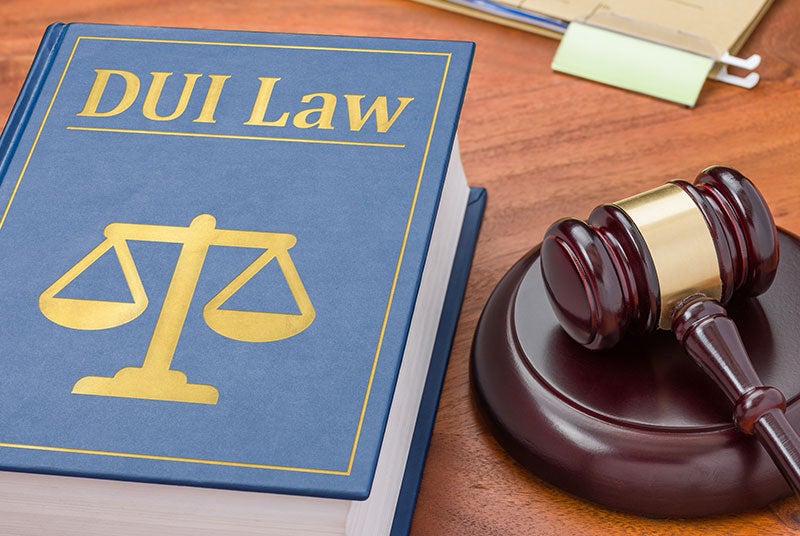
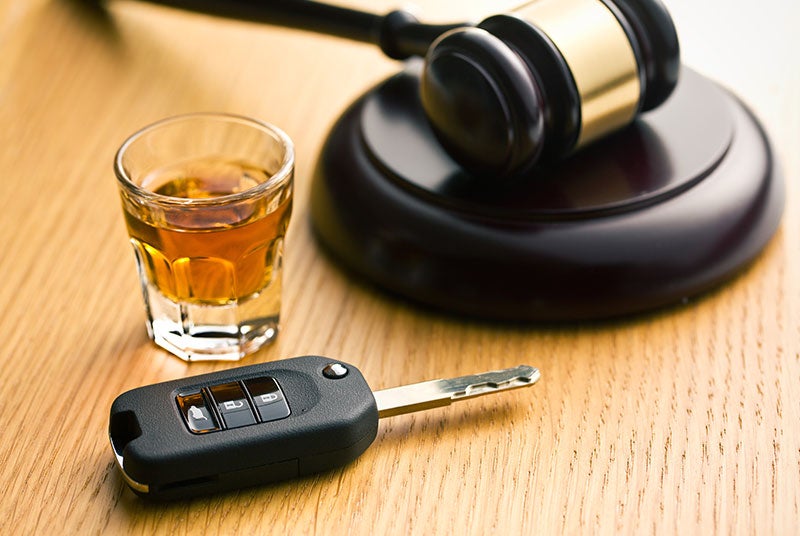
Do you know the DUI law in Virginia? The state of Virginia relies heavily on blood alcohol content when determining penalties for driving under the influence. Driving with any blood alcohol content over 0.08 percent is illegal in Virginia. DUI and DWI, even as a first offense, is a class 1 misdemeanor in Virginia. This is only one step below a felony and carries very serious penalties. In this post, the attorneys at the Manassas Law Group will discuss DUI penalties in Virginia. We’ll also talk about the difference between DUI and DWI, and some potential legal defenses. What’s the Difference Between DUI and DWI? DUI and DWI are similar names for similar offenses: operating a motor vehicle under the influence of something. There isn’t a significant difference between the two charges in Virginia. DUI stands for “driving under the influence” while DWI stands for “driving while intoxicated.” This means that when a court does use DWI, it applies to an alcohol charge. DUI, on the other hand, might refer to either alcohol or drugs. However, if you do have a drug charge, there is a separate charge called DUID; driving under the influence of drugs. However, DUID, DWI, and DUI are all under the same statute. No matter what the court or an attorney calls it, you’ll face the same charges. What Are The Penalties for DUI in Virginia? Again, the biggest factor in determining penalties for DUI is blood alcohol content. On your first offense, if your blood alcohol content is .15 to .20, DUI law in Virginia requires that you spend 5 days in jail. If your blood alcohol content is over .20, the DUI law in Virginia requires 10 days in jail. If your BAC is below .15, DUI law in Virginia does not require any jail time. Anyone who a Virginia court finds guilty of a DUI has to participate in VASAP, the Virginia Alcohol Safety Action Program. There’s no way around this requirement. Even if the DUI is for prescription medication, DUI law in Virginia still requires VASAP. Some courts require VASAP on pain of jail time, though not all. But you do need to complete VASAP to clear your license with the Virginia DMV. But what is VASAP? VASAP usually consists of a minimum of 10 weeks of classes. Each class is two hours long. Depending on your criminal record and substance abuse history, you may also have to do AA meetings as well. Regardless of treatment classes, jail time is, obviously, our client’s biggest question mark when it comes to DUI law in Virginia. We already talked about mandatory jail times, but it is possible to get more than the mandatory jail time. It is also possible to get jail time when there is no mandatory jail time, especially if your DUI involved a car accident. Many prosecutors will push hard for jail time in those cases. How Long Does a First Offense DUI Stay On Your Record? DUIs are a class 1 misdemeanor in Virginia. As we mentioned above, this is the most serious misdemeanor in Virginia. Unfortunately, this record will exist for the rest of your life. Virginia criminal history covers your entire life, so that misdemeanor conviction will be there forever. However, a DUI conviction will only be on your driving record for 11 years. While this is still a long time, it’s not the rest of your life. This is one reason why it’s so important to let an experienced attorney handle your DUI case. The outcome will follow you for the rest of your life. What Are Some Legal Defenses for DUI? What, you might ask, exactly can an attorney do for your DUI? There are some legal defenses for a DUI. Most of them involve proving that the officer who stopped you had no reason to do so, or broke protocol in some other way. However, this isn’t always as easy as it sounds. For instance, many clients might ask if they can win their case based on whether or not the officer read them their Miranda Rights. The law requires an officer to read a suspect their Miranda Rights as they arrest them and take them into custody. Usually, this does not apply to a DUI case, as officers will get everything they need before taking a suspect into custody. But if an officer does not read you your Miranda Rights and continues to question you in custody, we can hopefully exclude any answers you give. The most common defense for a DUI in Virginia is to get the charge downgraded to a “wet reckless”. This is a slang term in DUI law in Virginia for a reckless driving charge. A “wet reckless” charge will also include potential AA meetings and VASAP. This defense may not be possible in every case. Many times, if a prosecutor feels secure in their case, they will resist lowering the charge. Will I Lose My Driver’s License for a DUI in Virginia? DUI law in Virginia requires a 7-day suspension of your license for a first offense DUI, and a 60-day suspension for a second offense. Once your pre-trial suspension is done, you can go pick up your license at the clerk’s office. Sometimes, the clerk’s office will mail it to you. If the clerks don’t have your license, or if your license becomes lost in the mail, you can ask for a re-issue of your license through the Virginia DMV. Will I Be Able to Drive to Work? Under the DUI law in Virginia, you will lose your license after a DUI conviction. The good news is that in most courts, you’ll be eligible for a restricted driver’s license. This license will allow you to drive to work, school, church, and childcare. For the first six months, there would be an ignition interlock device on your car. This requires you to take a Breathalyzer test every time you start your car. Contact Manassas Law Group If you or someone you know is facing a DUI in Virginia, call the Manassas Law Group at 703.361.8246. For more information about DUI law in Virginia, you can also leave us a message on our website.

Grand Larceny VA

Grand Larceny VA Explained by Manassas Law Group

Larceny is a legal term for theft; there are two types of larceny in Virginia. Grand larceny in Virginia is a legal term for felony theft. Petty larceny, or petty theft, is a misdemeanor. Courts differentiate the two depending on the value of the stolen item. If the item is worth more than $500, it is a felony. Less than $500, and it is a misdemeanor. The penalties for these two crimes can be very serious, and the more offenses you commit, the more serious they become. At the Manassas Law Firm, we understand that people make mistakes and that not everyone deserves long prison sentences for a non- violent crime like theft. If you read on, we will explain the differences between grand larceny in Virginia and petty larceny in Virginia. We will also detail the possible penalties and legal defenses for each. What is Grand Larceny in Virginia? Grand larceny in Virginia is a felony. To have committed grand larceny, the prosecution must prove you did one of three things: Larceny from a place of items worth $500 or more, or Larceny from the body of a person of anything worth $5 or more, or Larceny of a firearm or gun, regardless of value. Let’s break each of those down. The first one means, for example, if you steal something from someone’s garage that is worth more than $500, that is grand larceny. This does not include stealing from a store. That is shoplifting, and there is a separate category for that in Virginia law. The second point is in regards to things like pick-pocketing or purse snatching. Taking nearly anything from another person’s body is immediately a felony. The third point is relatively self-explanatory. If you steal a gun, no matter how much it is worth or the circumstances of the taking, it is a felony. You could face up to 20 years in prison and a $2500 fine. What Happens on the First Offense Grand Larceny in Virginia? Even with a first offense, grand larceny in Virginia is a very serious crime. Jail time is a likelihood. Just because it is the first offense, the judge will not simply dismiss the charges. Second and third larceny offenses in Virginia almost always equal jail time. Whether this is your first grand larceny charge or your third, you need legal representation. If it is your first offense, however, there is a chance the courts might reduce your felony charge to a misdemeanor. Reducing Felony Larceny to a Misdemeanor The difference between grand larceny in Virginia and petty larceny is the value of the items in question. A good lawyer can argue that value is uncertain, and as a result, your felony can become a misdemeanor. What is Petty Larceny in Virginia? Petty, or petit (from the French for “small”) larceny is a misdemeanor. To commit petty larceny, you must have done one of two things: Larceny from a place of items worth less than $500, or Larceny from the body of a person of items worth less than $5. These scenarios are the same as the first two scenarios of grand larceny. The only difference are the values. This is a class 1 misdemeanor. It is punishable with twelve months of jail time and a $2500 fine. First Offense Petty Larceny Unlike a first offense of grand larceny in Virginia, a first offense petty larceny charge is subject to certain leniency. But it will still remain on your criminal record, so legal representation is highly advisable. Any second and third offenses of petty larceny in Virginia almost always result in jail time. What is Shoplifting in Virginia? Shoplifting in Virginia is a theft. It is larceny. But it has its own section of the law because it is specific to items the defendant takes from a store. Virginia Code Section 18.2-103 Virginia Code Section 18.2-103 separates felony and misdemeanor shoplifting charges by the value of the merchandise in question. Shoplifting of items worth more than $500 is felony shoplifting. For items worth less than $500, it is misdemeanor shoplifting. But what exactly is shoplifting, according to Virginia? Shoplifting is the taking of merchandise from a store without permission, with the intention of making it your own without paying for it. Shoplifting could also simply be defrauding the owner of the value of the object, thus paying less for it without the merchant’s permission. This means that shoplifting can be either walking out with unpaid merchandise or changing price tags or stickers on merchandise. The Virginia Code criminalizes the following acts as shoplifting: Purposely hiding, concealing, or taking merchandise in a store Altering the price tag or other price markings Transferring items from one container to another. What are Larceny Penalty Enhancements? There are several circumstances that lead to penalty enhancements for larceny charges in Virginia. Most of them apply to misdemeanor larceny charges, though one of them does apply to grand larceny in Virginia. Larceny with Intent to Sell Grand larceny in Virginia with intent to resell the merchandise has a minimum prison penalty of 2 years. When the defendant allegedly takes more than one of the same item in the course of grand larceny, that is direct evidence of intent to resell. Subsequent Petty Larceny Convictions If you have a prior larceny record, Virginia mandates a 30-day minimum jail sentence for your second offense. What is the 3 Strike Rule in Virginia? Your third misdemeanor larceny offense becomes a class 6 felony. A 30-day minimum jail sentence will accompany this charge. In addition, carrying the charge on your record is a punishment in and of itself. There are penalty enhancements for every subsequent larceny conviction. It is essential that you do not simply accept a first offense larceny charge when a good attorney could help. No one knows what the future may bring, after all. Contact the Manassas Law Firm The Manassas Law Firm has nearly 65 years of experience defending and representing the residents of Virginia. They can do the same for you. If you or a loved one is facing grand larceny in Virginia charges, petty larceny charges, or shoplifting charges, it is imperative that they have representation. To contact the Prince William County theft defense lawyers at Manassas Law Group, call 703.361.8246 to schedule a no-fee case evaluation. You can also fill out our online contact form.

speeding fines in viridian

Virginia Speeding Ticket Costs

Some consider speeding tickets or other traffic violations common and insignificant. But getting one can actually be pretty scary and stressful. This is especially true if you’ve never had a traffic ticket before. Virginia speeding ticket costs, as well as other types of traffic fines, can vary greatly depending on location and the type of citation you receive. The following is an overview of Virginia speeding ticket costs. Traffic Ticket Fines in Virginia No matter how many speeding tickets your third cousin accumulated while drag racing his 2004 Honda Accord, speeding tickets should be taken seriously. Virginia speeding ticket costs can be extensive, as well as points on your driving record. In addition, if you drive at excessively high speeds, Virginia could also charge you with reckless driving. A reckless driving charge in Virginia is punishable by more extensive fines and even a jail sentence. How Much Does A Virginia Speeding Ticket Cost? Generally, there is a $6 fine for every mile per hour over the speed limit. If you are speeding in a construction or work zone, that increases to $7. And, if you are in a residential area, the number increases to $8, with an additional $200 in total. In Virginia, speeding on a highway can lead to fines between $200 and $500. On average, a speeding ticket in Virginia is going to come with a price tag totaling between $350 and $400 if you include taxes and other fees. However, you shouldn't only associate fines with Virginia speeding ticket costs. Virginia’s DMV Points System Points against your license are another potential consequence of getting a speeding ticket in Virginia. Virginia’s DMV operates on a demerit system. Here’s a quick overview: all Virginia drivers start with no points on their record, at 0. For every year of good driving, you can accumulate one positive point. The maximum number of positive points you can accumulate on your license is 5. However, there is no limit to the number of negative points, also known as demerits, you can accumulate. You receive negative points when you break traffic laws, such as speeding. Virginia speeding tickets lead to the following DMV demerit points: 3 Demerit Points: If you were caught driving between one or nine MPH over the posted speed limit. 4 Demerit Points: If you were found driving between ten and 19 MPH over. 6 Demerit Points: If you were found driving over 20 MPH over. So, what’s the big deal? Well, there really isn’t one. This is, unless you accumulate 12 demerits in a twelve-month period, or 24 demerits in an eighteen-month period. Virginia Driver Probation The state of Virginia places drivers who accumulate this number of points on a probationary period of six months. If the driver accumulates any more demerits in that probationary period, the state then suspends his or her license for a period of time. The length of time depends on how many demerits they accumulated in the probationary period. For example, if you are in the six-month probationary period and a police pulls you over for speeding in excess of 80 MPH, you will accrue six more demerits. Your license is then suspended for 90 days, as a consequence. A four-demerit offense will land you without a license for sixty days. Furthermore, a three-demerit offense will result in a forty five-day suspension. Aside from the six demerit points, if you are driving more than 20 MPH over the speed limit, or if you are driving more than 80 MPH, you could be charged with reckless driving. This is a Class 1 Misdemeanor. This charge could result in fines of up to $2500, license suspension for six months, and a jail term of up to 12 months. Because of this system, it is important to take every traffic violation seriously. You should avoid the consequence of the probationary period, if at all possible. Obviously, Virginia speeding ticket costs add up to more than just a few hundred dollars. Responding to a Virginia Speeding Ticket Have you ever heard of anyone going to court over a speeding ticket? Though it’s relatively rare, it does happen, especially when the stakes are particularly high. Paying a speeding ticket is essentially pleading guilty to the offense of speeding. If you believe that you were not speeding, you have the option of going to court to plead “not guilty”. During this court hearing, you will be able to explain your case. You'll also hear testimony from the officer who issued you the ticket. If the judge rules in your favor, you will not have to pay the Virginia speeding ticket costs. But, you may be responsible for court fees. If the judge finds you guilty, you will be responsible for the court fees, as well as the Virginia speeding ticket costs, and other consequences associated with the ticket. This includes demerit points and increased insurance premiums. Really, it’s up to each individual person whether or not going to court is worth it to respond to a speeding ticket. Sometimes, the best thing to do is to pay the Virginia speeding ticket costs. For those worried about demerits on his or her license, they may take a state-approved driving course to increase the number of positive points, by 5. If you have been charged with reckless in association with a Virginia speeding ticket, it is absolutely in your best interest to speak to an experienced attorney. An attorney who is well-versed in traffic law can evaluate your case and determine your available legal options. They can help you determine your best legal decision going forward. Contact The Best Speeding Ticket Lawyers in Virginia Virginia speeding ticket costs can be quite steep. At the Manassas Law Group, our experienced attorneys can evaluate your case, give you an overview of potential consequences, and help drive your case towards the best possible outcome for you. If you or someone you know is facing extensive Virginia speeding ticket costs, give us a call at 703.361.8246 to arrange a free and confidential consultation. You can also send us a message online.

drunk and disorderly

Disorderly Conduct

What is Drunk And Disorderly Conduct? When some people have a bit too much to drink, they may behave out of character and cause a public disturbance such as unruly, obnoxious or profane conduct in a public place. But even if alcohol or drugs aren’t involved, disorderly conduct--disturbing the public’s peace--is a crime in Virginia. On the other hand, you don’t have to make a lot of noise or disrupt others to be charged with disorderly conduct. Being drunk in public is enough to be cited for both disorderly conduct and public intoxication. Drunk and Disorderly Crimes in Virginia When a person intended to cause public inconvenience, annoyance or alarm or recklessly created a risk, they commit the crime of disorderly conduct in the following conditions: While on a street, highway, public buildings, bus, airplane, or automobile or other public place engages in conduct that may tend to incite acts of violence against those who the disruption is directed at. While intoxicated disrupt a funeral, memorial service, school, literary society or religious place of worship and/or engages in conduct that has a direct tendency to incite acts of violence against those to whom the disruption is directed. While intoxicated disrupts school operations or activities conducted or sponsored by a school and/or engages in conduct that has a direct tendency to incite acts of violence against those to whom the disruption is directed. Penalties And Punishment For Disorderly Conduct in Virginia Violation of Virginia's disorderly conduct law § 18.2-415 is a Class 1 misdemeanor punishable by up to 12 months in jail and/or a fine of up to $2,500. Penalties And Punishment For Public Intoxication in Virginia Virginia code section 18.2-388 states that the punishment for public intoxication is a class 4 misdemeanor in Virginia, which is punishable by up to a $250 fine but is not a jailable offense. Disorderly Conduct Defense Attorney in Manassas, Virginia If you’ve been charged with disorderly conduct, it’s possible that you may be sentenced to up to 12 months in prison, but that’s unlikely unless you have a lengthy criminal history already. When it’s a first offense, you’ll probably be sentenced to probation and fines. Although the punishments for disorderly conduct and public intoxication aren’t particularly extreme, hiring a criminal defense attorney to represent you is an intelligent decision. Whether you are incarcerated for any length of time or not, paying fines or even serving time will not be the end of it. Accepting these misdemeanor charges may have adverse repercussions if you are ever charged with a crime in the future, or if you’ve already been convicted of another crime, your probation or parole may be revoked. Even a misdemeanor conviction may affect your ability to be gainfully employed, enroll in college, receive security clearances, destroy your reputation and impact immigration status. Battle Disorderly Conduct or Public Intoxication Charges If you’ve been charged with disorderly conduct and/or public intoxication, there are several defense strategies that may be available to you. As your skilled criminal defense attorneys, The Manassas Law Group will investigate what happened and submit evidence that contradicts the district attorney’s accusation that your behavior was caused by intoxication. To fight a disorderly conduct charge, we may be able to show that your behavior was protected under the First Amendment right to free speech. Or it may be possible to prove that you were falsely accused. Judgment Free Representation For Clients Facing Disorderly Conduct And Public Intoxication Charges In Manassas, Prince William County, And Surrounding Areas Whether it’s your first arrest or you already have a criminal record, the attorney team at The Manassas Law Group know things can sometimes get out of hand, and otherwise reasonable people make mistakes. As your attorneys, we’ll treat you respectfully as we build a defense against your charges. For generations, The Manassas Law Group has provided skilled, effective representation for Virginians charged with every type of criminal matter. With our decades of experience, we’ll advocate for you throughout the process with the goal of settling your case in the least damaging way possible. The Manassas Law Group’s knowledgeable criminal defense attorneys will help you understand your rights and explain how we can defend against your alleged disorderly conduct and/or public intoxication charges. Contact The Manassas Law Group Today For A Free, No Obligation Consultation To begin the challenge of building a defense against your disorderly conduct and public intoxication charges, the experienced criminal defense attorney team at The Manassas Law Group will meet with you to discuss what happened and assess your representation needs. Call us today at 703.361.8246 or send a confidential message on our site.

aggravated assault

What Is The Crime Of Aggravated Assault In Virginia?

What is Aggravated Assault? When a person is charged with aggravated assault in Virginia, they may face either a misdemeanor or felony conviction depending on the facts of the crime. The punishment will depend upon the seriousness of the assault and who was assaulted. When you’ve been charged with a first- or second-degree aggravated assault, if convicted, you’ll have a felony record for life. And though a third- or fourth-degree aggravated assault conviction is considered a misdemeanor in VA, the impact on your life and freedom will still be substantial. Whichever degree of aggravated assault you’ve been charged with, it’s imperative that you take it seriously. Legal Definition Aggravated Assault The legal definition of a first- and second-degree assault is when a person intended to cause or caused a serious bodily injury on another person involving a deadly weapon. If the assault was committed against a police officer, firefighter, emergency medical provider, or other designated public official, not only is it considered first- and second-degree assault, but if convicted, the penalties and punishment will be more severe. Virginia Criminal Code § 18.2-57 defines aggravated assault as an unlawful attack by one person upon another for the purpose of inflicting severe or aggravated bodily injury. Usually accompanied by the use of a weapon or by means likely to produce death or great bodily harm.” Legal Examples Of Aggravated Assault Assault using a dangerous or deadly weapon. Assault with explosives. Wounding causing permanent crippling, mutilation or disfigurement. Deliberate attempt to inflict disease by biting, spitting, scratching. Poisoning. Spiking drinks with date rape drugs. Assault causing serious bodily injury. Assault with an intent to kill. Aggravated Assault Category in Virginia The four categories of aggravated assault are defined as follows: Use of a firearm such as a revolver, semi-automatic pistol, shotgun, zip gun, rifle or any other gun used or threatened to use. Use of another dangerous weapon which could or does cause serious injury including mace, pepper spray, bat, club, brick, tire iron, explosive, acid, lye, poison, scalding, burning or scalding material. Use of a cutting instrument such as a knife, razor, machete, ax, clever, scissor, glass, broken bottles, ice pick, stiletto. Use of body parts such as hands, fists, feet or teeth. Degrees Of Aggravated Assault In Virginia, the specific circumstances of the offense will dictate how prosecutors proceed, and upon conviction, the type of penalties and punishment. FIRST DEGREE of Aggravated Assault When the offense is committed with premeditated malice to intentionally commit serious bodily injury. SECOND DEGREE of Aggravated Assault When a serious injury is committed without deliberation or premeditation. THIRD/FOURTH DEGREE of Aggravated Assault When the offender attempts to commit significant rather than serious bodily harm usually occurring in fist fights or similar incidents. Consequences Of An Aggravated Assault Conviction An aggravated assault conviction when the severe injury was caused to a victim is considered a felony that could lead to a lifetime prison sentence. Lesser penalties, including misdemeanors, are still serious and may cause you to lose your freedom. Even after you’ve served a sentence, you may still suffer the consequences. A criminal record involving a violent crime will make acquiring employment, securing housing, obtaining credit or qualifying for loans difficult and/or may prevent you from being admitted to a college or university. As well, if convicted and sentenced, even when you’ve paid the price to society, your reputation may be permanently damaged and family and social relationships lost or ruined. Aggravated Assault Lawyers In Manassas, Prince William County, And Surrounding Areas Whether it’s your first arrest or you already have a criminal record, the attorney team at Manassas Law Group know people make mistakes, and we treat every client respectfully without judgment or preconceived notions. We also know that just because you’ve been charged with a crime doesn’t mean you’ll be found guilty. It is our goal to aggressively and strategically battle to have your case dismissed or, at the least, your charges reduced.  Our legal team will assess your unique situation and analyze the options available for a strong defense on your behalf.  As well, if the prosecutor offers you a plea deal rather than proceeding to trial, we’ll advise you on what’s in your best interest. For generations of Virginians, the Manassas Law Group has provided skilled, effective representation for every type of complex criminal defense matters. With our decades of experience, we’ll guide you through the process and act as your vigilant advocate to resolve your case as fairly as possible with the intention of preserving your freedom. Experienced Criminal Defense Attorneys in Manassas When you involve an experienced Virginia criminal defense attorney as early in the process as possible, it gives them a chance to build a strong defense. If you wait, the opportunity to negotiate reduced or dismissed charges may be diminished or missed altogether—the sooner you contact the Manassas Law Group, your chance of a fair outcome is heightened. And remember—just because you’ve been charged with aggravated assault doesn’t mean you will be convicted—in a Virginia criminal court, you are innocent until proven guilty. And the Manassas Law Group will aggressively work towards dismissal or reduction of your charges. Our team of understanding criminal defense attorneys know being charged with such a serious crime is stressful and troubling. The Manassas Law Group criminal defense attorneys will help you understand your rights and explain how we can defend against the alleged aggravated assault offense for which you were arrested. Contact The Manassas Law Group Today For A Free, Confidential Consultation To begin the challenge of building a strong defense, the experienced Prince William County assault attorneys at the Manassas Law Group will meet with you personally for a free initial confidential consultation to discuss your case and identify your representation needs. Call us today at 703.361.8246 or send a confidential message on our website.

DUI vs. DWI

DUI vs DWI in Virginia

What’s the difference in DUI vs DWI for Virginia law? A police in Virginia pulled you over under suspicion that you were driving while intoxicated and an officer told you they were arresting you for a DUI, it was probably a traumatic, embarrassing and distressing event. But the citation said you were cited for a DWI. Wait a minute, you may wonder. Did the cop arrest me for a DUI or a DWI? What's the difference? Simply, nothing at all. Virginia Code: Statute § 18.2-266 on DUI vs DWI In Virginia, the terms DUI and DWI are covered under the same statute § 18.2-266 and are used interchangeably. Whether you decided to drink before you drove, ingested, smoked, snorted, or injected illegal drugs, impaired yourself by taking too much of a legally prescribed drug or even an over-the-counter drug, in the eyes of the law, they are equal. If you consumed enough to affect your senses, to the degree that a police officer determined you could not safely operate a motor vehicle, you would be charged with the crime of DUI/DWI. There really is no DUI vs DWI for the state of Virginia. Specifically, the § 18.2-266 Virginia statute states: It shall be unlawful for any person to drive or operate any motor vehicle, engine or train (i) while such person has a blood alcohol concentration of 0.08 percent or more by weight by volume or 0.08 grams or more per 210 liters of breath as indicated by a chemical test administered as provided in this article, (ii) while such person is under the influence of alcohol, (iii) while such person is under the influence of any narcotic drug or any other self-administered intoxicant or drug of whatsoever nature, or any combination of such drugs, to a degree which impairs his ability to drive or operate any motor vehicle, engine or train safely, (iv) while such person is under the combined influence of alcohol and any drug or drugs to a degree which impairs his ability to drive or operate any motor vehicle, engine or train safely, or (v) while such person has a blood concentration of any of the following substances at a level that is equal to or greater than: (a) 0.02 milligrams of cocaine per liter of blood, (b) 0.1 milligrams of methamphetamine per liter of blood, (c) 0.01 milligrams of phencyclidine per liter of blood, or (d) 0.1 milligrams of 3,4-methylenedioxymethamphetamine per liter of blood. A charge alleging a violation of this section shall support a conviction under clauses (i), (ii), (iii), (iv), or (v). Driving Under the Influence vs Driving While Intoxicated Virginia law enforcement and the court system doesn’t care what was impairing your senses while operating a motor vehicle. DUI vs DWI doesn't matter. They make no distinction between DUI and DWI, whether you were “driving under the influence” or “driving while intoxicated” including if you just took too much cough medicine. If you were charged under the DUI/DWI statute, as far as the police are concerned, you were endangering your life and the lives of others. Virginia imposes severe penalties for DUI/DWI that vary depending upon your blood alcohol content (BAC), whether an accident was caused if anyone was injured, and if you have any previous DUI/DWI convictions. As do all other states in our country, Virginia takes a hard line against DUI/DWI. According to Virginia alcohol-related motor vehicle statistics, in a recent year, there were 262 DUI/DWI caused fatalities, 4,855 serious injuries, and 7,482 vehicle crashes. https://www.dmv.virginia.gov/webdoc/pdf/tss02.pdf You can also look at: What is Drunk and Disorderly Conduct? Consequences of a DUI vs DWI in Virginia Our clients we have represented over the last 65 years typically are responsible, law-abiding citizens, who work and pay their taxes, & take care of their families. The consequences of a DUI/DWI conviction can be devastating not only to the offender but also their family. Depending upon several factors, a person convicted of a DUI will spend time in jail, lose their driving privileges, pay enormous fines, and possibly lose their job and reputation which may lead to financial problems including the loss of their home. Because we at The Manassas Law Group believe Virginia DUI/DWI penalties are sometimes unfairly extreme and overly punitive depending upon the circumstances, we work vigilantly to either mitigate the damages of a conviction or have charges dismissed. If the judge convicts you and sentences you to incarceration, instead of jail we might be able to petition the court for house arrest or in-patient addiction treatment. In many cases, even if the court suspends your driving privileges, we may be able to petition the court to allow you to drive to work, to doctor appointments, or for other specific responsibilities such as for the care of children. Our attorneys at The Manassas Law Firm represent those charged with a first time DUI/DWI offenses as well as multiple offenses of this crime. Because the consequences upon conviction significantly increase with multiple DUI/DWI offenses, finding the right attorney to defend you in court can be the difference that makes or breaks your life over the next 10 - 40 years. Our attorneys know how to challenge the prosecution’s evidence and work towards dismissal. But when that’s not possible, vigorously negotiate reduced charges and less severe penalties. Contact Manassas Law Group For Your DUI or DWI Concerns For the best outcome when you’ve been charged with DUI/DWI, call the Manassas Law Group for a free review of your case, consultation, and advice. At all times, the attorneys at Manassas Law Group will treat you with respect and understanding. We know everyone makes mistakes, and sometimes people just need help. We represent DUI/DWI defendants in Prince William County and surrounding Virginia areas. If you’re reading this article on behalf of a loved one who is in jail, we’ll visit them there and start the process to get them home. Call 703-361-8246. Or if you prefer, use our contact form, and someone from our team will get back to you promptly.

Contact Us

Fill out this form below and we'll contact you shortly
*Required Fields