Blog / Manassas Law Group Service

Blog

All Manassas Law Group Service Estate Planning Family Law Criminal Defense Probate Litigation Civil Litigation Divorce Bankruptcy Personal Injury Breach of Contract Estate Administration Power of Attorney Virginia Laws Wrongful Death
we are real estate breach of contract lawyers in Virginia

What Does a Virginia Real Estate Contract Attorney Do

Buying, selling, or transferring real estate in Virginia involves more than signing paperwork. Real estate contracts contain important terms that determine the rights and responsibilities of everyone involved. A mistake, unclear provision, or missed requirement can create disputes that become expensive and time-consuming to resolve. A real estate contract attorney in Virginia helps individuals, investors, and businesses understand their agreements, identify potential issues, and address contract problems before they become larger legal matters. At Manassas Law Group, we help clients navigate real estate contract matters with a focus on protecting their interests and helping them understand their legal options. What Is a Real Estate Contract Attorney? A real estate contract attorney focuses on legal agreements involving property transactions. Their role is to review, draft, negotiate, and help resolve disputes related to real estate contracts. Real estate contracts can involve many different situations, including: Residential purchase agreements Commercial property agreements Lease agreements Property transfer agreements Contract negotiations Real estate contract disputes A real estate contract attorney helps make sure the terms of an agreement are clear and that clients understand the obligations they are accepting. Why Real Estate Contracts Require Careful Review in Virginia Real estate transactions often involve significant financial commitments. A contract may contain deadlines, inspection requirements, financing conditions, repair obligations, and other terms that can affect the outcome of the transaction. Virginia real estate contracts must follow state laws and requirements, including rules related to disclosures, agreements, and property transactions. Virginia also follows the principle that written contracts generally control the rights and obligations of the parties involved. This means the specific language in a real estate agreement matters. A small detail in a contract can have a major impact if a disagreement occurs later. Common Real Estate Contract Problems in Virginia Real estate contract issues can happen during any stage of a transaction. Some common problems include: Disagreements Over Contract Terms Buyers and sellers may interpret contract terms differently. Disputes can arise over repairs, closing dates, deposits, or responsibilities outlined in the agreement. Failure to Follow Contract Requirements Real estate contracts often include deadlines and specific obligations. A party who does not complete required actions may create a contract dispute. Problems With Earnest Money Deposits Earnest money disputes are common when a transaction falls apart. Buyers and sellers may disagree about who is entitled to keep the deposit based on the terms of the contract. Breach of Real Estate Contract A breach occurs when one party fails to meet their contractual obligations. This may involve refusing to complete a sale, failing to make required payments, or not following agreed-upon terms. Issues Discovered During the Transaction Property inspections, title issues, financing problems, or undisclosed concerns can create disagreements between buyers and sellers. How Can a Real Estate Contract Attorney Help? A real estate contract attorney can provide guidance at different stages of a property transaction. Before signing a contract, an attorney can: Review agreement terms Explain legal obligations Identify potential concerns Help negotiate contract language During a dispute, an attorney can: Review the contract Explain available options Communicate with the other party Help pursue a resolution The goal is to help clients make informed decisions and understand the legal impact of their real estate agreements. Do You Need a Lawyer to Review Your Real Estate Contract? Virginia does not require every person involved in a real estate transaction to hire an attorney. However, real estate contracts can involve complex legal obligations, and many people choose to have an attorney review documents before signing. An attorney review can be especially valuable when: The transaction involves a large investment The agreement contains unusual terms A dispute has already developed Commercial property is involved Multiple parties have ownership interests Having legal guidance early can help identify concerns before they become more difficult to address. Real Estate Contract Law for Northern Virginia Properties Northern Virginia has an active real estate market with a mix of residential properties, commercial developments, and investment opportunities. Communities near Manassas, including Gainesville, Haymarket, Fairfax, and Woodbridge, continue to see property transactions involving homeowners, businesses, and investors. With property values and contract details varying from one transaction to another, having a clear understanding of your agreement is an important part of protecting your interests. How Virginia Real Estate Contract Disputes Are Resolved Not every real estate contract disagreement needs to go directly to court. Many disputes can be addressed through negotiation or other forms of resolution. Depending on the circumstances, solutions may include: Clarifying contract terms Negotiating an agreement Resolving financial disputes Seeking enforcement of contract obligations Pursuing legal action when necessary The best approach depends on the details of the contract and the specific issues involved. Work With a Real Estate Contract Attorney in Virginia Real estate contracts create important legal responsibilities. Before signing an agreement or when a dispute develops, understanding your rights and obligations can help you make better decisions. Manassas Law Group assists clients with real estate contract matters throughout Virginia. Our team helps individuals and businesses review agreements, understand contract issues, and address disputes involving real estate transactions. If you need guidance from a real estate contract attorney in Virginia, contact Manassas Law Group to discuss your situation and learn how legal support may help protect your interests.


Power of Attorney in Virginia

How to Get a Power of Attorney in Virginia

Planning for the future often means preparing for situations where you may not be able to handle important financial, legal, or personal decisions on your own. A power of attorney in Virginia allows you to choose someone you trust to act on your behalf when needed. At Manassas Law Group, we help individuals and families understand their options and create a legal power of attorney that fits their specific needs. Whether you are planning for the future, managing a health concern, or preparing an estate plan, having the right documents in place can provide clarity and protection. What Is a Power of Attorney? A power of attorney is a legal document that allows one person, known as the principal, to give another person, known as the agent or attorney-in-fact, authority to make certain decisions on their behalf. The authority granted depends on the type of power of attorney created. Some documents provide broad authority over financial matters, while others limit the agent’s responsibilities to specific situations. In Virginia, a power of attorney may allow someone to help with matters such as: Managing bank accounts Handling real estate transactions Paying bills Managing investments Handling government benefits Signing certain legal documents Creating a power of attorney allows you to decide who should assist you rather than leaving important decisions uncertain. How Do I Get a Power of Attorney in Virginia? Obtaining power of attorney in Virginia involves creating a legally valid document that clearly explains the authority you want to give another person. The general process includes: Choosing someone you trust to act as your agent Deciding what authority the person should have Preparing the legal document power of attorney Signing the document according to Virginia requirements Providing copies to appropriate financial institutions or organizations when needed Working with an attorney can help ensure the document reflects your wishes and avoids problems later. How to Assign Power of Attorney in Virginia To assign power of attorney, you must voluntarily give another person legal authority to act for you. The person granting the authority must generally understand what they are signing and the decisions they are making. When creating a power of attorney, consider: Who you trust to make decisions for you What responsibilities they should have When their authority should begin Whether the authority should continue if you become unable to make decisions A carefully prepared document can help prevent confusion among family members and other parties. How to Give Someone Power of Attorney Many people wonder how to make someone power of attorney. The process starts with selecting an agent who is responsible, trustworthy, and capable of handling the duties involved. The person you choose does not become your agent until the proper legal documents are completed. Simply telling someone they can act for you does not create a legal power of attorney. A Virginia attorney can help prepare the document and make sure it meets your goals. Types of Power of Attorney in Virginia Virginia recognizes different types of powers of attorney depending on the authority being granted. General Power of Attorney A general power of attorney gives an agent broad authority to handle certain financial and legal matters on behalf of the principal. Limited Power of Attorney A limited power of attorney gives someone authority for a specific purpose or transaction. For example, a person may authorize someone to complete a specific real estate transaction. Durable Power of Attorney A durable power of attorney remains effective even if the person who created it becomes unable to manage their own affairs. This type of planning is often used as part of a broader estate plan. What Do You Need for Power of Attorney in Virginia? When creating a power of attorney, you typically need: The name and information of the person granting authority The name of the person being appointed A clear description of the authority being given A properly prepared legal document Proper signatures and execution according to Virginia law The details of the document depend on your circumstances and the type of authority you want to provide. Who Can Do a Power of Attorney? A person who creates a power of attorney must generally have the legal capacity to understand the document and the authority being granted. The person appointed as the agent should be someone you trust to act responsibly and follow your wishes. A family member, friend, or another trusted individual may serve as an agent. The most important factor is choosing someone who can handle the responsibility. Why Create a Power of Attorney Before You Need One? Many people wait until a crisis occurs before thinking about a power of attorney. However, if someone becomes unable to make decisions without having proper documents in place, family members may face additional legal challenges. Creating a power of attorney ahead of time can help: Ensure your wishes are followed Allow someone you trust to assist with important matters Reduce stress for family members Provide a clear plan for unexpected situations A power of attorney is an important part of many Virginia estate plans. Can a Power of Attorney Help With Estate Planning? Yes. A power of attorney is often included as part of a complete estate plan. While a will addresses what happens after someone passes away, a power of attorney helps address decisions that may need to be handled during a person’s lifetime. Manassas Law Group helps Virginia families understand how power of attorney documents work with other planning tools, including wills and other estate planning documents. Create a Power of Attorney in Virginia With Manassas Law Group Understanding how to get power of attorney is an important step in protecting yourself and your family. A properly prepared document can help ensure that someone you trust has the authority to handle important matters when needed. Manassas Law Group helps individuals throughout Virginia establish customized power of attorney documents based on their personal circumstances and goals. If you need help with creating a power of attorney in Virginia, contact Manassas Law Group to discuss your options and learn how proper legal planning can help protect your future.

Criminal defense attorney in Prince William County, VA

What to Do Immediately After Being Charged With a Crime in Virginia

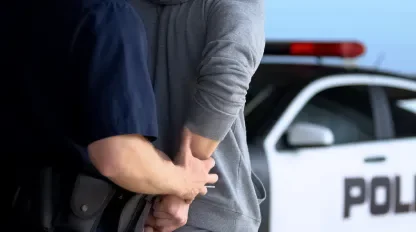
Facing criminal charges is one of the most unsettling experiences a person can go through. The moments, hours, and days immediately following an arrest are critical—what you do (and what you don't do) can significantly shape the outcome of your case. At Manassas Law Group, we’ve guided countless clients through this overwhelming process, helping them make informed decisions that protect their rights and their futures. If you or someone you love has been charged with a crime in Virginia, understanding your next steps isn’t just helpful—it’s essential. Stay Calm and Exercise Your Right to Remain Silent The first and most important rule after being charged: stop talking. Anything you say to law enforcement can and will be used against you. This isn’t a formality—it’s a legal reality. One of the most common mistakes people make is trying to explain their way out of a situation. In practice, those statements often become key evidence for the prosecution. Politely invoke your right to remain silent and request an attorney immediately. Do not answer questions, do not offer explanations, and do not attempt to negotiate at the scene. Understanding What Evidence Can Be Used Against You in Court Once charges are filed, the prosecution begins building its case. In Virginia, several types of evidence may be used against you in court. Physical evidence collected at the scene Surveillance footage and video recordings Text messages, emails, and digital communications Eyewitness testimony Statements made to law enforcement However, not all evidence is automatically admissible. Evidence obtained through illegal searches, coerced statements, or procedural violations may be challenged and excluded. A skilled criminal defense attorney will carefully review what evidence can be used against you in court and identify opportunities to weaken the prosecution’s case. Hire an Experienced Criminal Defense Attorney Right Away Time is critical in a criminal case. Evidence can disappear, memories fade, and deadlines move quickly. Retaining a criminal defense attorney in Virginia as soon as possible is one of the most important steps you can take. Your attorney does more than appear in court. They review police reports, evaluate what evidence can be used against you in court, interview witnesses, and negotiate with prosecutors when appropriate. Early legal involvement often means more defense options and stronger case strategy. Understanding Plea Bargains in Virginia Not every criminal case goes to trial. In many situations, understanding plea bargains is an important part of the legal process. A plea bargain is an agreement where a defendant pleads guilty, often to a reduced charge or with a lighter sentence. While this may seem like a simpler resolution, it also involves giving up the right to trial and the ability to fully challenge the evidence. Understanding plea bargains requires careful legal analysis. In some cases, it may be the best option. In others, it may be better to proceed to trial depending on the strength of the evidence. This decision should always be made with guidance from an experienced defense attorney. Document Everything and Protect Your Case While your attorney handles the legal strategy, there are steps you can take to help protect your case. Write down everything you remember about the incident as soon as possible Record names, times, and details while they are fresh Avoid discussing your case with anyone except your attorney Do not post about the situation on social media Preserve any physical evidence such as receipts or photos These details can play an important role in building your defense. Take Your Next Step With Confidence Being charged with a crime in Virginia does not mean you are guilty. It does mean you need immediate and experienced legal guidance. From understanding what evidence can be used against you in court to evaluating plea bargains, early decisions often shape the outcome of a case. Contact Manassas Law Group to help you navigate every stage of the process with clarity and confidence. Schedule a consultation today and take the first step toward protecting your rights, your reputation, and your future.

Breach of Contract Law Firm in Manassas VA.

What Does Breach of Contract Mean in Manassas, VA?

Business agreements, service contracts, partnership deals, and real estate transactions all depend on one thing: both sides doing what they agreed to do. When one party fails to follow the terms of a legally binding agreement, it may lead to a breach of contract dispute. For individuals and businesses in Manassas, understanding what a breach of contract means can help protect your finances, business relationships, and legal rights. Whether the issue involves unpaid invoices, incomplete work, missed deadlines, or broken business promises, contract disputes can quickly become expensive if they are not handled properly. If you believe you are dealing with an agreement breach of contract issue, speaking with a breach of contract lawyer early can help you understand your options and avoid additional problems. What Is a Breach of Contract? A breach of contract happens when one party fails to meet the obligations outlined in a legally enforceable agreement. Contracts can be written, verbal, or implied depending on the circumstances, but the key issue is whether both parties agreed to specific terms and whether one side failed to uphold them. Common breach of contract examples include: Failing to complete agreed-upon work Missing payment deadlines Delivering defective products or services Violating confidentiality agreements Breaking lease agreements Refusing to perform contractual duties Missing construction or project deadlines In Virginia, a valid contract generally requires: An offer Acceptance Consideration, meaning something of value exchanged Mutual agreement between both parties When one side fails to meet these obligations, the injured party may have the right to pursue compensation or other legal remedies. What Is a Material Breach of Contract? One of the most important legal questions in a contract dispute is whether the violation is considered a material breach of contract. A material breach occurs when the failure is serious enough to defeat the purpose of the agreement itself. In other words, the contract can no longer function as intended because one party failed to perform a major obligation. For example: A contractor abandons a commercial project halfway through construction A supplier fails to deliver essential inventory needed for business operations A company refuses to pay after services are completed A business partner violates a non-compete or confidentiality clause A material breach of contract often allows the non-breaching party to: Stop performing their own obligations Seek financial damages Terminate the contract Pursue legal action Minor breaches can still create problems, but they may not justify ending the entire agreement. The details matter, which is why many businesses and individuals consult a breach of contract attorney near me when disputes arise. Common Breach of Contract Examples in Manassas, VA Contract disputes happen across many industries in Manassas and Northern Virginia. Some of the most common breach of contract examples involve: Business Agreements Partnership disputes, vendor agreements, and operating agreements can create legal conflicts when one side fails to follow the terms. Construction Contracts Construction disputes often involve delayed work, defective workmanship, unpaid invoices, or disagreements over project scope. Real Estate Agreements Residential and commercial real estate transactions may involve broken purchase agreements, lease violations, or property disclosure disputes. Employment Agreements Employers and employees sometimes face disputes involving non-compete clauses, severance agreements, or confidentiality obligations. Service Contracts Independent contractors, consultants, and service providers may encounter clients who refuse payment or fail to honor agreed terms. How Do Courts Determine a Breach of Contract? Virginia courts typically examine several factors when evaluating an agreement breach of contract claim: Whether a valid contract existed What obligations each party agreed to Whether one party failed to perform Whether damages resulted from the breach Whether the breach was material or minor Documentation is often critical. Emails, invoices, signed agreements, text messages, payment records, and project timelines may all become evidence in a contract dispute. What Damages Can Be Recovered? A successful breach of contract claim may allow the injured party to recover damages related to the financial losses caused by the breach. Depending on the situation, damages may include: Lost profits Unpaid compensation Costs to repair defective work Additional business expenses Consequential damages tied to the breach In some cases, courts may also order specific performance, requiring one party to fulfill their contractual obligations. Why Contract Disputes Should Be Taken Seriously Many people delay taking action because they hope the issue will resolve itself. Unfortunately, contract disputes often become more difficult and more expensive over time. Early legal guidance may help: Preserve important evidence Prevent additional financial damage Clarify legal rights and obligations Improve negotiation opportunities Reduce the risk of litigation mistakes For businesses in Manassas, unresolved contract disputes can affect operations, vendor relationships, reputation, and cash flow. When to Contact a Breach of Contract Lawyer If you believe someone violated a legally binding agreement, it is important to understand your rights before making major decisions. A breach of contract lawyer can review the agreement, explain whether a valid breach occurred, and discuss possible legal remedies based on Virginia law. Manassas Law Group helps individuals and businesses handle contract disputes involving commercial agreements, business contracts, construction disputes, and other legal matters throughout Northern Virginia. Learn more about their <a href="https://www.manassaslaw.com/civil-litigation/breach-of-contract/">Breach of Contract Attorney services</a> to understand your legal options. Final Thoughts Understanding what breach of contract means is important for protecting your business, finances, and legal rights. Whether the dispute involves unpaid work, broken agreements, delayed projects, or business contract violations, legal action may become necessary when negotiations fail. For people and businesses in Manassas, VA, working with an experienced legal team can help you better understand your position and pursue a practical path forward before the situation escalates further.

Contact Us

Fill out this form below and we'll contact you shortly
*Required Fields